

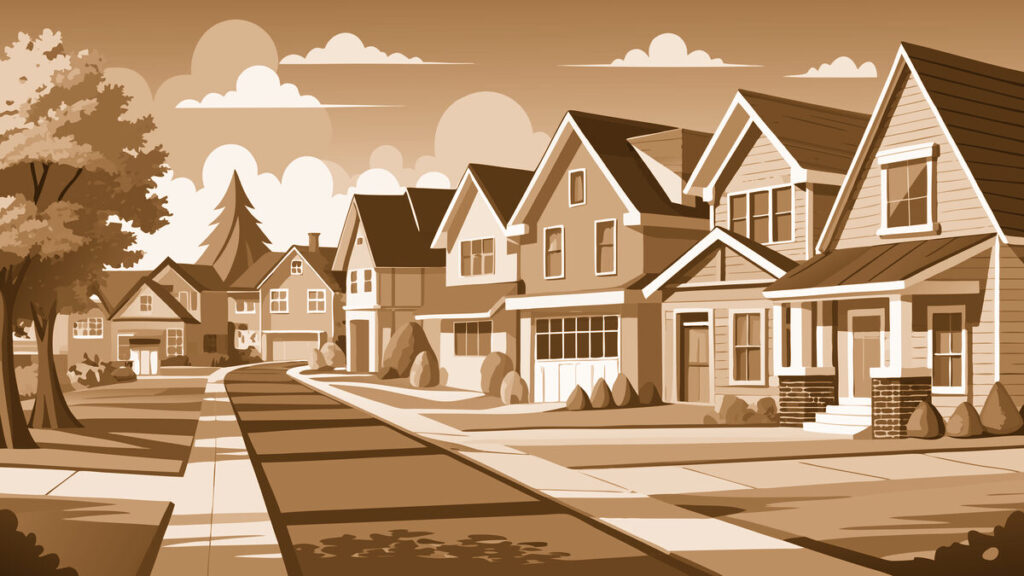
Nestled just a stone’s throw north of downtown Hendersonville, Druid Hills remains one of the city’s most cherished and storied neighborhoods. With its tree-lined avenues, classic architecture, and spirit of community, Druid Hills exudes a charm that makes it stand out among Henderson County’s many picturesque locales. For residents and visitors alike, understanding the history and heritage of Druid Hills is to appreciate the very soul of this special Appalachian town.
Origins: A Neighborhood Born from Vision
The story of Druid Hills begins in the 1920s during Hendersonville’s period of expansion, when the tranquil, rolling land north of downtown beckoned developers seeking to create a model residential area. The brainchild behind the neighborhood was John E. Denton, a local real estate visionary, who set out to design “the most beautiful spot in Hendersonville.” In 1923, he enlisted landscape architect Earle Sumner Draper—a giant in Southern neighborhood design—to lay out the community with gentle curving roads and spacious home lots.
Draper, who studied under Frederick Law Olmsted (the genius behind Central Park), infused Druid Hills with the “garden suburb” ideal: green spaces, a sense of order, and a harmonious blend with the natural landscape. Streets such as Pinecrest Drive, Ridgewood Avenue, and Felmet Street radiated outward with an elegant symmetry, lined by mature oaks and well-tended gardens that gave the neighborhood its pastoral feel.
How Druid Hills Got Its Name
Residents often speculate about the origins of the name “Druid Hills.” In keeping with popular trends of the early 20th century, developers frequently invoked ancient or natural imagery to evoke both mystery and prestige. "Druid" refers to the ancient Celtic priests often associated with oak groves and reverence for nature—a fitting parallel for a community designed to honor and preserve its wooded landscape. “Hills” describes both the literal contours of the neighborhood and the aspirations of its founders to create a hillside haven above downtown’s bustle. Together, the name imbues the area with an old-world grace that persists.
Key Historical Milestones
- 1924: The first lots were sold, with construction beginning soon after. Early advertisements in the Hendersonville Times boasted “city convenience with country quiet,” a promise that still resonates.
- 1930s-1940s: Despite the Great Depression, Druid Hills continued to flourish. The sturdy arts and crafts bungalows and classic Colonial Revivals that rose along Ashwood Road and Forest Road reflected the architectural trends of the day. Many of these homes, lovingly maintained or restored, lend the neighborhood its timeless visual identity.
- Post-War Era: The 1950s brought a wave of new families and modest ranch-style homes, expanding the neighborhood’s boundaries while retaining its essential character.
- 1989: Druid Hills was officially listed on the National Register of Historic Places, cementing its status as one of the region’s most significant historic neighborhoods.
- Present Day: While much has changed outside its borders, Druid Hills remains a sought-after address for those who value tradition and community spirit.
Notable Landmarks and Institutions
- Druid Hills Park: This intimate green space lies at the heart of the neighborhood along Ashwood Road, where neighbors gather for picnics, play, and the occasional community event. Well-tended flower beds and mature trees highlight the landscape architect’s original vision.
- Distinctive Architecture: Among the gems are the English Tudor at 642 Druid Hills Avenue and the craftsman bungalow at 103 Pinecrest Drive—both celebrated in local historic tours. The neighborhood is a showcase of period architectural styles, from stone cottages to classic Cape Cods, many of which retain original stone retaining walls, slate roofs, and arched entrances.
- St. James Episcopal Church: Located at 766 N. Main Street, just down the hill, the church has long been a spiritual and social anchor for many Druid Hills residents. Its chimes and community programs create a sense of continuity through the decades.
- Cornerstone Institutions: Druid Hills’ proximity to Patton Park, one of Hendersonville’s flagship recreational areas, and the intersection with Five Points, where North Main Street meets the neighborhood’s southern edge, offers walkable access to swimming pools, trails, and beloved local businesses.
Streets With Stories
Every street in Druid Hills seems to have its own tale:
- Ridgewood Avenue: Known for its canopy of trees that blaze gold in the autumn, this avenue has hosted generations of block parties and Halloween parades.
- Forest Road: Characterized by its gently curving layout, it was once the preferred home for physicians and community leaders in the 1930s.
- Felmet Street: The oldest houses here still feature original hardwood floors and hand-crafted stonework, a testament to the craftsmanship of Hendersonville’s past builders.
Heritage Preserved, Community Thriving
What distinguishes Druid Hills today is not just its historic homes or leafy lanes, but the vibrancy of its residents. The Druid Hills Neighborhood Association fosters communal pride and organizes annual clean-up days, seasonal parties, and collaborative efforts to maintain the neighborhood’s unique appearance. Efforts to preserve the original streetlights, gateways, and signage have helped keep Druid Hills’ history alive for current and future generations.
In recent years, the neighborhood has welcomed a wave of new homeowners—young families, retirees, and artists—drawn by its walkability and welcoming spirit. The gentle mix of old and new is visible in the carefully restored facades and the laughter of children on summer evenings.
A Timeless Hendersonville Treasure
Druid Hills is more than an address; it’s a living tapestry woven with stories, traditions, and dreams. Whether you’re drawn to its architectural heritage, the shade of its ancient oaks, or the infectious community spirit, there’s something unmistakably special about this neighborhood. Ask any longtime resident, and they’ll tell you: Druid Hills doesn’t just preserve history—it makes it, each and every day.